The Nikon D3100 is a popular entry-level DSLR, and readily available manuals – both free downloads and physical copies – assist users in mastering its features․
Numerous online resources, like DeviceManuals․eu and the Internet Archive, offer the Nikon D3100 digital camera manual in various formats, including PDF and torrent downloads․
These guides, sometimes available in multiple languages (Italian, German), aim to help photographers maximize their experience with this versatile camera․
Overview of the Camera
The Nikon D3100, a widely-used DSLR, benefits from extensive documentation readily available to its users․ Numerous online platforms host the camera’s manual, offering assistance with setup and operation․ Resources like DeviceManuals․eu and the Internet Archive provide downloadable versions, catering to diverse user preferences․
These manuals, often available as PDF files or through torrent downloads, detail the camera’s capabilities, from basic shooting modes to advanced settings․ They are frequently offered in multiple languages, including Italian and German, broadening accessibility․ The documentation assists photographers in understanding the D3100’s features and maximizing image quality․
The availability of these resources ensures users can quickly resolve issues and fully utilize the camera’s potential․
Key Features and Specifications
The Nikon D3100’s accompanying manuals detail its core features, emphasizing its suitability for beginners․ Documentation highlights the camera’s 14․2-megapixel DX-format CMOS sensor and its ability to record HD video․ Manuals also cover the 11-point autofocus system, crucial for sharp images․
Resources like the Internet Archive and DeviceManuals․eu specify recommended SD card classes – Class 6 or higher – for optimal movie recording performance, preventing unexpected interruptions․ The manuals also outline the camera’s various scene modes, simplifying photography for different situations․
Understanding these specifications, as detailed in the user guides, unlocks the D3100’s full potential․
Getting Started with Your D3100
User manuals guide initial setup, battery insertion, and memory card installation for the Nikon D3100․ They provide essential steps for new users․
Downloadable guides simplify the process!
Unboxing and Initial Setup
The Nikon D3100 manual is crucial during unboxing, ensuring all components are present․ It details the initial setup process, guiding users through the first power-on and menu navigation․
Downloaded manuals from resources like DeviceManuals․eu and the Internet Archive provide step-by-step instructions; These guides explain connecting the camera to a computer and installing necessary software․
The manual clarifies how to properly attach the lens and adjust the diopter for clear viewfinder visibility․ It also covers setting the date, time, and preferred language, preparing the camera for immediate use․ Following these initial steps, as outlined in the manual, guarantees a smooth start․
Inserting the Battery and Memory Card
The Nikon D3100 manual provides clear diagrams illustrating proper battery insertion․ It specifies the correct battery type and orientation, preventing damage․ Crucially, the manual details the location of the battery compartment and release mechanism․
Regarding memory cards, the downloaded manual emphasizes compatibility with SD cards, recommending Class 6 or higher for optimal movie recording performance․ It explains how to insert and eject the card safely, avoiding data corruption․
The guide also warns about potential issues with slower cards, which may cause recording to stop unexpectedly․ Following the manual’s instructions ensures secure and reliable operation․
Understanding the Camera Controls
The Nikon D3100 manual meticulously details each camera control, from the shutter button and mode dial to the directional pad and function buttons․ Diagrams accompany explanations, clarifying their purpose and operation․
Downloaded guides, like those found on the Internet Archive, explain how to navigate the menu system using these controls․ They also cover customizing button functions for personalized workflow․
The manual emphasizes understanding the mode dial’s positions – Auto, Scene, and advanced modes – and how they affect camera settings․ Mastering these controls unlocks the camera’s full potential․
Shooting Modes Explained
The Nikon D3100 manual details Auto mode for simplicity, alongside Scene modes like Portrait, Landscape, and Sports, offering pre-set configurations for various scenarios․
Advanced modes – Program Auto, Aperture Priority, and Shutter Priority – are also explained, granting users greater creative control․
Auto Mode for Beginners
The Nikon D3100’s Auto mode, as detailed in the camera’s manual, is designed for effortless photography, making it ideal for beginners․ It automatically selects the optimal settings – aperture, shutter speed, ISO, and white balance – based on the detected scene․
This eliminates the need for manual adjustments, allowing users to focus solely on composition and capturing the moment․ The manual emphasizes that Auto mode is a great starting point for learning photography, providing consistently good results in various conditions․
It’s perfect for everyday snapshots and situations where quick, reliable performance is paramount, letting new users confidently explore the camera’s capabilities without feeling overwhelmed by technical complexities․
Scene Modes: Portrait, Landscape, Sports
The Nikon D3100 manual highlights several Scene Modes optimized for specific shooting scenarios․ Portrait mode prioritizes subject clarity with a blurred background, ideal for flattering images․ Landscape mode maximizes depth of field, ensuring sharp focus throughout the entire scene․
Sports mode utilizes a faster shutter speed to freeze motion, capturing action with clarity․ These pre-programmed settings simplify photography, eliminating the need for manual adjustments․ The manual explains each mode’s function, guiding users to select the most appropriate option for their subject and environment․
They offer a convenient way to achieve professional-looking results without extensive photographic knowledge․
Program Auto, Aperture Priority, and Shutter Priority
The Nikon D3100 manual details advanced shooting modes beyond automatic settings․ Program Auto (P) allows the camera to select both aperture and shutter speed, while the user retains control over other settings․ Aperture Priority (A or Av) lets photographers control the lens aperture, influencing depth of field and creative effects․
Shutter Priority (S or Tv) enables control over shutter speed, crucial for capturing motion or freezing action․ Mastering these modes, as explained in the manual, unlocks greater creative control and allows photographers to tailor images to their vision․
These modes bridge the gap between fully automatic and manual operation․
Focusing and Exposure
The Nikon D3100 manual explains autofocus modes and points for sharp images․ It details understanding exposure through aperture, shutter speed, and ISO settings for optimal results․
Autofocus Modes and Points
The Nikon D3100’s manual thoroughly explains its autofocus (AF) system․ It details various AF modes, including Single-servo AF (AF-S) for stationary subjects and Continuous-servo AF (AF-C) for tracking moving objects; Auto-area AF automatically selects focus points, while center-point AF focuses solely on the center point․
Users can also manually select from 11 focus points, providing precise control over the focus area․ The manual clarifies how to switch between these modes and adjust focus point selection using the camera’s controls․ Understanding these options is crucial for achieving sharp, well-focused images in diverse shooting scenarios, as detailed within the comprehensive guide․
Understanding Exposure: Aperture, Shutter Speed, ISO
The Nikon D3100 manual dedicates significant attention to exposure control․ It explains how aperture (f-stop) affects depth of field, shutter speed controls motion blur, and ISO determines the camera’s sensitivity to light․ Mastering these three elements is fundamental to achieving properly exposed photographs․
The guide clarifies their interrelationship – adjusting one often necessitates adjusting others․ It details how to utilize Program Auto, Aperture Priority, and Shutter Priority modes to gain manual control over these settings․ Understanding these concepts, as outlined in the manual, empowers photographers to create images with desired artistic effects․
Exposure Compensation
The Nikon D3100 manual explains exposure compensation as a tool to fine-tune the camera’s automatic exposure settings․ It allows photographers to override the meter’s reading, brightening or darkening images as needed․ This is particularly useful in challenging lighting situations where the camera might be fooled by bright or dark scenes․
The manual details how to use the exposure compensation dial to adjust the exposure in plus or minus EV (exposure value) steps․ It emphasizes that understanding when and how to apply compensation is crucial for consistently achieving well-exposed photographs, especially when not shooting in fully manual mode․
Working with Menus and Settings
The Nikon D3100 manual guides users through navigating the camera menu to customize settings like image quality, size, and autofocus, enhancing photographic control․
Navigating the Camera Menu
The Nikon D3100’s menu system, detailed within the user manual, is crucial for unlocking the camera’s full potential․ The manual explains how to access the menu via the ‘MENU’ button, and then utilize the directional pad to scroll through various categories․
These categories encompass shooting settings, custom settings, playback options, and setup adjustments․ The manual emphasizes understanding each menu item’s function, as altering these settings directly impacts image capture and camera behavior;
Users can find detailed explanations of each option, ensuring they can tailor the D3100 to their specific shooting preferences and needs․ The manual also provides guidance on resetting menu settings to factory defaults if needed․
Customizing Camera Settings
The Nikon D3100 manual highlights extensive customization options, allowing photographers to personalize the camera to their shooting style․ Users can adjust settings like autofocus behavior, metering modes, and image quality parameters through the camera’s menu system․
The manual details how to assign functions to specific buttons, streamlining workflow and quick access to frequently used features․ Customizing settings also includes fine-tuning image settings, such as color profiles and sharpening levels․
These adjustments, explained thoroughly in the manual, empower users to achieve desired results and optimize the D3100 for various photographic scenarios․
Image Quality and Size Settings
The Nikon D3100 manual dedicates significant attention to image quality and size settings, crucial for balancing file size and detail․ Users can select from various JPEG compression levels, influencing image file size and quality․ RAW format options are also detailed, offering maximum editing flexibility․
The manual explains how to choose appropriate image sizes (Large, Medium, Small) based on intended use – printing versus web display․ Understanding these settings, as outlined in the manual, allows photographers to optimize storage space and image resolution․
Selecting the right combination ensures optimal results for every shooting situation with the D3100․
Memory Card Compatibility
The Nikon D3100 manual recommends SD cards, specifically Class 6 or higher, for reliable movie recording, preventing unexpected interruptions during filming․
Slower cards may cause issues․
Recommended SD Card Classes
The Nikon D3100 manual emphasizes the importance of selecting compatible SD memory cards for optimal performance․ For still images, most SD cards will function adequately, but video recording demands higher specifications․
Specifically, the manual strongly recommends utilizing SD cards with a Class 6 write speed or faster when capturing movies․ This ensures a consistent data transfer rate, preventing recording from halting prematurely due to insufficient write speed․
Cards with slower speeds may lead to frustrating interruptions during video shoots․ While the camera may technically work with lower class cards, the user experience will be significantly improved with Class 6 or higher․
Troubleshooting Memory Card Issues
The Nikon D3100 manual addresses potential memory card problems․ If the camera fails to recognize a card, first ensure it’s properly inserted and isn’t damaged․ Try a different, known-working SD card to isolate the issue․
Unexpected recording stops during video often indicate a slow write speed; upgrading to a Class 6 or faster card resolves this․ Formatting the card in the camera can also fix recognition errors, but remember this erases all data․
If problems persist, consult the manual’s troubleshooting section for further guidance or consider contacting Nikon support for assistance․
Downloading the User Manual
The Nikon D3100 manual is freely accessible online via resources like the Internet Archive and DeviceManuals․eu, offering convenient PDF downloads․
These sources provide easy access to guides for maximizing your camera’s potential․
Accessing the Online Manual
Accessing the Nikon D3100’s user manual online is remarkably straightforward․ Several websites host digital versions, eliminating the need for a physical copy․ The Internet Archive, for instance, provides downloadable PDF files, offering a convenient way to study the camera’s functions․
DeviceManuals․eu also offers free downloads, ensuring accessibility for all users․ These online manuals mirror the printed version, covering everything from basic operations to advanced settings․
Furthermore, Nikon’s official website may contain archived manuals or links to helpful resources, though direct access can vary․ Utilizing these online resources empowers users to quickly find answers and troubleshoot issues independently․
Free Download Sources for the Manual
Fortunately, obtaining a free digital copy of the Nikon D3100 manual is easily achievable․ The Internet Archive stands out as a prominent source, offering various download options including PDF, single-page processed JP2 ZIP, and even torrent files․
DeviceManuals․eu is another reliable platform providing direct PDF downloads, simplifying the process․ These resources allow users to access the complete manual without any cost or registration requirements․
While Nikon’s official website may not always offer direct downloads, these third-party archives ensure continued accessibility to this valuable resource․
Basic Troubleshooting
The Nikon D3100 manual assists with common issues; resetting to factory defaults is a solution, and resources exist for electronics experts needing repair information․
Common Problems and Solutions
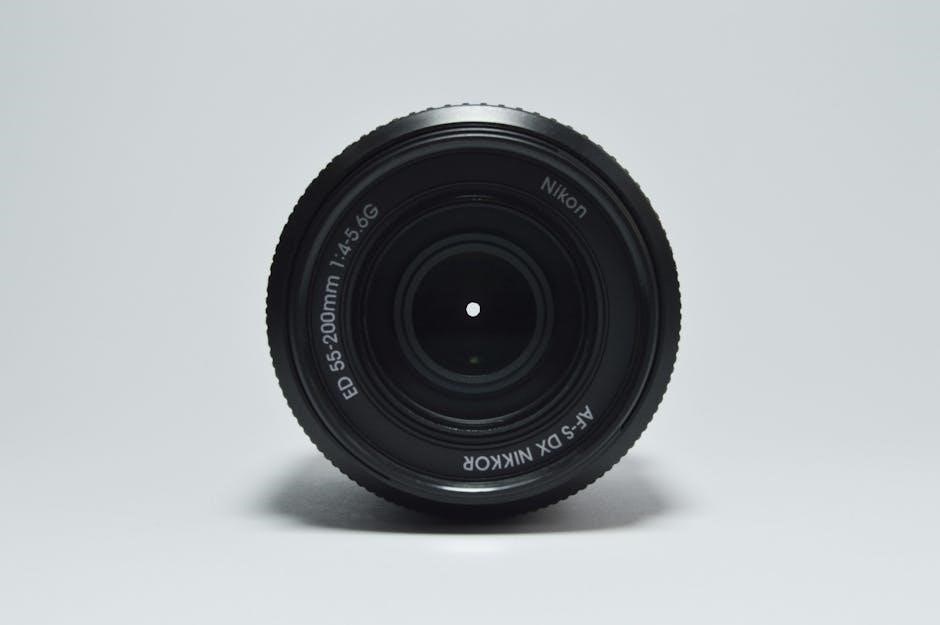
The Nikon D3100 manual is invaluable when encountering issues․ A frequently reported problem involves unexpected recording stops during movie filming, often linked to using SD cards with insufficient write speeds; Class 6 or higher is recommended․
If the camera malfunctions, the manual guides users through a factory reset procedure, potentially resolving software glitches․ For more complex problems, the NIKON D3100 service manual – available for electronics experts – provides schematics and repair information․
Remember to consult the manual for specific error messages and their corresponding solutions, ensuring optimal camera performance and longevity․ Online forums also offer community-based troubleshooting advice․
Resetting the Camera to Factory Defaults
The Nikon D3100 manual details the process for restoring factory settings, a useful step when troubleshooting unusual behavior or preparing the camera for sale․ This procedure clears custom settings, reverting the camera to its original state․
Consult the manual for precise instructions, as the menu navigation can vary slightly․ Performing a factory reset can resolve software conflicts or errors caused by incorrect user configurations․
However, remember this will erase personalized settings, so back up any crucial customizations beforehand․ The manual emphasizes this as a potential solution for many common operational issues․
Service Manual Information
Nikon D3100 service manuals, containing schematics and repair information, are available online for electronics experts․ These resources aid in complex repairs and diagnostics․
Accessing Service Manuals for Repair
For electronics professionals tackling Nikon D3100 repairs, dedicated service manuals are crucial․ These aren’t typical user guides; they delve into the camera’s internal workings, providing detailed schematics, component layouts, and troubleshooting procedures․
Finding these manuals often requires searching specialized online databases catering to electronics repair technicians․ Resources may offer downloadable PDFs or require a subscription for access․ The manuals detail disassembly instructions, allowing safe access to internal components for repair or replacement․
Understanding the camera’s electronic architecture, as outlined in the service manual, is essential for accurate diagnosis and effective repair work, ensuring the Nikon D3100 returns to full functionality․
Resources for Electronics Experts
Experienced technicians repairing the Nikon D3100 benefit from specialized online communities and forums dedicated to camera repair․ These platforms facilitate knowledge sharing, offering solutions to common issues and access to diagnostic tips․
Websites specializing in electronics repair documentation often host service manuals and schematics, though access may require a paid subscription․ Furthermore, component sourcing websites can help locate replacement parts for damaged Nikon D3100 components․
Utilizing these resources alongside the official service manual significantly enhances the repair process, ensuring efficient and accurate restoration of the camera’s functionality․