ode on a grecian urn pdf

Ode on a Grecian Urn: A Comprehensive Exploration

Numerous online resources offer the poem in PDF format, alongside critical analyses from sources like The Poetry Foundation and Zanichelli, aiding detailed study.

Historical Context of the Poem

Written in 1819, “Ode on a Grecian Urn” emerged during a period of significant artistic and intellectual ferment – the Romantic era. This time saw a renewed fascination with classical antiquity, influencing Keats and his contemporaries. The poem’s creation coincided with Keats’s own struggles with illness and mortality, themes subtly woven into the ode’s exploration of permanence versus transience.

Access to classical art, including descriptions and engravings of Greek urns, was growing through publications and museum collections. The British Museum, in particular, housed a substantial collection of Greek artifacts. PDF versions of scholarly articles detail how this accessibility fueled the Romantic imagination, inspiring works like Keats’s ode. The poem reflects a broader cultural preoccupation with the aesthetic ideals of ancient Greece, prompting reflection on beauty, truth, and the enduring power of art.

John Keats: Life and Influences

Born in 1795, John Keats experienced a tragically short life, marked by personal loss and battling tuberculosis. His background as a trained apothecary deeply informed his sensory and descriptive language, evident throughout his poetry. Keats was profoundly influenced by earlier Romantic poets like Wordsworth and Shelley, yet forged his unique style focused on intense imagery and emotional resonance.

Scholarly PDFs reveal Keats’s extensive reading of classical literature, particularly Greek mythology, which permeates “Ode on a Grecian Urn.” His exposure to Leigh Hunt’s literary circle fostered his artistic development. The poem’s exploration of beauty and mortality mirrors Keats’s own awareness of his impending death, lending it a poignant depth. His dedication to aesthetic experience, prioritizing beauty above all else, is central to understanding his poetic vision.

The Grecian Urn as a Symbol

The Grecian urn, as depicted in Keats’s ode, transcends its material form to become a potent symbol of timeless art and enduring beauty. PDF analyses highlight how the urn encapsulates a world frozen in perpetual possibility, contrasting sharply with the fleeting nature of human life; It represents an ideal realm, untouched by decay or suffering, offering a refuge from mortality.

Figures on the urn—gods, mortals, and scenes of revelry—symbolize archetypal human experiences, eternally unfolding yet never fully realized. The urn’s silence speaks volumes, prompting contemplation on the relationship between art, truth, and imagination. It embodies a perfect, unchanging form, offering a glimpse into a realm beyond the constraints of time and change, as explored in available resources.

Form and Structure of the Ode

Keats’s “Ode on a Grecian Urn” is structured as a series of five stanzas, each comprising ten lines. PDF resources reveal a consistent rhyme scheme of ABAB CDE CDE, lending a musical quality to the poem. The ode employs a predominantly iambic pentameter, though variations exist, contributing to its rhythmic complexity.

Each stanza typically begins with a descriptive observation of the urn’s imagery, followed by a meditative exploration of its implications. The sestet (final six lines) often presents a philosophical question or a poignant reflection. This structure allows Keats to build a layered argument about art, beauty, and the human condition, as detailed in scholarly analyses available in digital formats.

Detailed Analysis of Each Stanza

PDF versions facilitate close reading, revealing how each stanza unfolds observations and questions about the urn’s depicted scenes and their enduring beauty.

Stanza 1: Initial Observation and Questions

Accessing the poem in PDF format allows for focused annotation of the opening stanza’s inquisitive tone. Keats immediately addresses the urn as a “silent form, devoid of show,” prompting contemplation. The initial questions – “What leaf-fring’d legend haunts about thy shape?” – establish a desire to understand the stories embedded within the artwork.

This stanza’s power lies in its mystery; the urn’s stillness contrasts with the poet’s active imagination. Studying the text digitally, through a PDF, enables repeated readings to dissect the rhetorical questions and appreciate the evocative language. The PDF format supports highlighting key phrases like “unravish’d bride of quietness,” crucial for understanding Keats’s initial fascination and the poem’s central themes.

Stanza 2: The Pursuit of Joy and its Frustration

Examining the poem’s PDF version reveals the shift in focus to the depicted scene of ecstatic revelry. Keats describes figures striving for a heightened experience – “to burst thy sides with laughter,” yet acknowledges the impossibility of fully attaining joy. This stanza explores the frustrating paradox of desire and its inherent unattainability.

The digital format allows close reading of phrases like “never wilt thou kiss,” emphasizing the eternal, yet static, nature of the figures’ pursuit. The PDF facilitates comparative analysis with other Romantic works exploring similar themes. Keats’s use of imagery, readily visible in the text, highlights the tension between the fleeting nature of human experience and the urn’s enduring, frozen moment.

Stanza 3: The Piper and the Untouched Bride

Accessing the poem’s PDF allows focused attention on the evocative imagery of the piper and the untouched bride. Keats presents a scene of potential fulfillment – the piper’s music and the bride’s anticipated joy – yet this moment is perpetually suspended in time. The digital text emphasizes the “ecstasy” that is always building, never realized.

The PDF format aids in tracing Keats’s skillful use of language to convey both allure and frustration. The figures’ eternal youth and beauty are contrasted with the transient nature of human passion. Studying the poem online, through resources like The Poetry Foundation, enhances understanding of this central tension within the stanza’s narrative.

Stanza 4: The Tree and the Unfading Season

Examining the poem’s PDF reveals how Keats utilizes the imagery of the tree – forever with leaves, never shedding – to symbolize art’s enduring quality. This contrasts sharply with the cyclical nature of life and the inevitability of change. The digital text allows for close reading of phrases like “unfading season,” highlighting the urn’s power to transcend time.

Resources like Zanichelli’s Text Bank, accessible online, contextualize Keats’s concept of art. The PDF format facilitates tracing the connection between the tree’s perpetual spring and the poem’s broader exploration of beauty and immortality. This stanza, readily available for study, embodies the urn’s lasting impact.
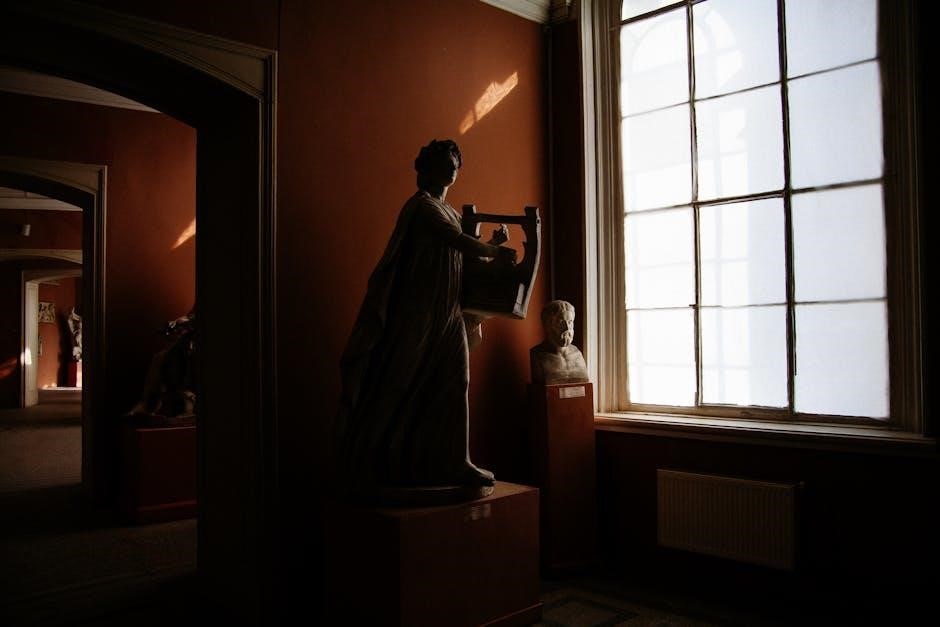
Key Themes in “Ode on a Grecian Urn”

PDF versions of the poem illuminate central themes: beauty, mortality, truth, and imagination, explored through depictions of classical mythology and artistic form.

Beauty and Art

The poem, readily available in PDF format, centers on the enduring beauty captured within the Grecian urn’s artistic depictions. Keats explores how art transcends time, preserving moments of potential and idealized forms. Unlike fleeting human life, the scenes etched onto the urn—gods, mortals, and pastoral landscapes—remain eternally vibrant and untouched by decay.

This permanence elevates art to a realm beyond the reach of mortality, suggesting its power to offer a glimpse of an unchanging ideal. The urn itself becomes a symbol of artistic perfection, prompting contemplation on the nature of beauty and its relationship to truth. PDF analyses often highlight Keats’s masterful use of imagery to convey this sense of timeless aesthetic value, contrasting it with the transient nature of human experience.

Mortality and Immortality

The poem, easily accessed as a PDF, deeply contemplates the contrast between human mortality and the immortality offered by art. Keats portrays the figures on the urn as eternally youthful and vibrant, forever poised in moments of joy and anticipation, untouched by aging or death. This stands in stark opposition to the fleeting nature of human life, marked by suffering, loss, and inevitable decay.

PDF scholarly resources emphasize how the urn represents a realm beyond the constraints of time, where beauty and pleasure are perpetually sustained. While generations come and go, the artistic scene remains unchanged, offering a poignant reflection on the human desire for lasting significance. Keats suggests that art, in its enduring form, can provide a pathway to a kind of immortality, transcending the limitations of earthly existence.

Truth and Illusion

Examining the poem in PDF format reveals Keats’ exploration of the relationship between perceived reality and artistic representation. The scenes depicted on the urn present an idealized vision of life, a carefully constructed illusion of beauty and happiness. However, this illusion is simultaneously captivating and unsettling, prompting questions about the nature of truth itself.

Scholarly PDFs highlight how Keats suggests that art doesn’t necessarily reveal objective truth, but rather offers a different kind of truth – one rooted in imagination and aesthetic experience. The urn’s figures are frozen in time, their stories incomplete, leaving room for interpretation and speculation. This ambiguity challenges the notion of a singular, definitive truth, suggesting that meaning is often subjective and elusive, found within the interplay of illusion and perception.

The Power of Imagination

Analyzing the poem’s PDF versions demonstrates Keats’ central argument: imagination transcends the limitations of the real world. The Grecian urn, a static object, becomes a catalyst for profound imaginative journeys, allowing the speaker to inhabit different times and perspectives. Keats posits that through imagination, one can access a realm of eternal beauty and truth, escaping the constraints of mortality.

Digital texts and scholarly PDFs reveal how the poem champions the power of the mind to create and interpret meaning. The urn’s ambiguous scenes invite the reader to actively participate in the creative process, filling in the gaps and constructing their own narratives. This emphasis on imaginative engagement underscores Keats’ belief that art’s true value lies not in its literal representation, but in its ability to inspire and elevate the human spirit.

Critical Interpretations and Scholarly Views

PDFs of academic articles showcase diverse interpretations, exploring Romanticism’s influence and the urn’s representation of ideal form, enriching understanding.

Romanticism and Keats’s Place Within It

Keats’s “Ode on a Grecian Urn” deeply embodies Romantic ideals, prioritizing emotion, imagination, and the sublime over strict neoclassical form. Accessible through numerous PDF resources, the poem exemplifies the Romantic fascination with beauty, mortality, and the power of art to transcend time.

Scholarly analyses, often found in digitized formats, highlight Keats’s engagement with the past – specifically, classical mythology – as a source of inspiration and a means to explore universal human experiences. The poem’s emphasis on sensory detail and subjective perception aligns with core Romantic tenets.

Furthermore, the poem’s melancholic tone and contemplation of fleeting existence are characteristic of the Romantic sensibility, distinguishing Keats’s work within the broader literary movement. Studying the poem via PDF versions allows for close textual analysis, revealing these Romantic nuances.

The Urn as a Representation of Ideal Form

“Ode on a Grecian Urn” presents the urn not merely as a decorative object, but as a vessel containing ideal, unchanging beauty – a concept readily explored through accessible PDF versions of the poem and accompanying critical essays. The figures depicted represent perfected forms, frozen in moments of potential, escaping the decay of time.

This idealization aligns with Platonic notions of Forms, suggesting the urn embodies a higher reality beyond the transient world. The poem, available in digital PDF formats, emphasizes the urn’s ability to offer a glimpse into this timeless perfection.

Scholars, as detailed in online resources, interpret the urn as a symbol of artistic creation’s power to achieve lasting beauty, a concept central to Keats’s aesthetic philosophy. Examining the poem’s text via PDF allows for focused analysis of this symbolic representation.

Influence of Classical Mythology

“Ode on a Grecian Urn” is deeply rooted in classical mythology, depicting scenes of gods, nymphs, and rituals drawn from ancient Greek stories – readily accessible for study through online PDF versions of the poem. Keats utilizes these mythological references to explore universal themes of love, beauty, and mortality.

The poem’s imagery, as detailed in scholarly articles found as PDF downloads, evokes a world of ancient Greece, populated by figures like Pan and Dionysus. These allusions aren’t merely decorative; they contribute to the poem’s exploration of artistic and cultural heritage.

Analyzing the poem’s mythological context, easily done with a digital PDF copy, reveals Keats’s engagement with classical ideals and his attempt to recreate their aesthetic power within his own poetic work, enriching the poem’s layers of meaning.

Resources for Further Study

Numerous websites provide accessible PDF versions of the poem, alongside academic articles and biographies of John Keats for in-depth exploration.

Online Texts and PDFs of the Poem

Accessing “Ode on a Grecian Urn” digitally is remarkably straightforward, with several reputable online platforms offering the complete text in convenient PDF format. The Poetry Foundation’s website stands out as a primary resource, providing a readily downloadable version alongside insightful critical essays and biographical information about John Keats.

Furthermore, platforms like Text Bank 28 Spiazzi, Tavella, and Layton (Performer Heritage.blu Zanichelli 2018) also feature the poem within broader literary collections. These resources are invaluable for students and enthusiasts seeking a portable and easily shareable format for close reading and annotation.

Many university and college websites also host digitized versions of Keats’s work, often accompanied by scholarly notes and contextual materials, enhancing the learning experience. These PDFs facilitate focused study and analysis of this iconic poem.

Academic Articles and Literary Criticism

Scholarly engagement with “Ode on a Grecian Urn” is extensive, and numerous academic articles delve into its complex themes and poetic techniques. While direct PDF access to full articles often requires institutional subscriptions (like JSTOR or Project MUSE), abstracts and summaries are widely available through academic databases.

The Atlantic’s archived “Notes” section previously featured analyses of the poem, offering accessible critical perspectives. Literary criticism frequently examines the urn as a representation of ideal form and the interplay between art, beauty, and mortality.

Resources like the Poetry Foundation also provide curated collections of essays offering diverse interpretations. Exploring these critical viewpoints, often found as downloadable PDFs through university libraries, enriches understanding of Keats’s masterpiece and its enduring legacy.

Biographies of John Keats

Understanding John Keats’s life profoundly enriches appreciation of “Ode on a Grecian Urn.” Several comprehensive biographies are available, offering insights into his artistic development, personal struggles, and the historical context influencing his work. While complete biographical texts in PDF format may require purchase or library access, excerpts and summaries are readily accessible online.

Exploring Keats’s brief but intensely creative period reveals the Romantic sensibilities that permeate the ode. His experiences with illness and loss undoubtedly shaped his meditations on mortality and beauty, themes central to the poem.

Resources detailing his influences, like Lemprière’s classical dictionary (mentioned in introductory notes to the poem), can be found and often available as PDF downloads, providing further context.


kenmore dishwasher model 665 user manual

Kenmore Dishwasher Model 665 User Manual: A Comprehensive Guide

This manual details the Kenmore 665 dishwasher, offering guidance on installation, operation, maintenance, and troubleshooting for optimal performance and longevity.

Welcome to the world of efficient dishwashing with your new Kenmore 665 dishwasher! This appliance is designed to provide reliable and convenient cleaning for your household needs. This manual serves as a comprehensive guide, ensuring you understand all features and functions. The Kenmore 665 boasts a robust build and user-friendly controls, aiming to simplify your daily routine.

Before first use, carefully review the safety precautions outlined in this manual to prevent potential hazards. Familiarize yourself with the dishwasher’s parts and their functions, as detailed in the included diagram. Proper loading techniques, detergent usage, and regular maintenance are crucial for optimal performance and extending the lifespan of your Kenmore 665. We are confident this dishwasher will become an invaluable asset in your kitchen.

Safety Precautions

To ensure your safety and prevent damage to the Kenmore 665 dishwasher, please adhere to the following precautions. Always disconnect the power supply before performing any maintenance or cleaning. Never allow children to operate the dishwasher unsupervised. Avoid storing detergents or rinse aids within reach of children.

Do not attempt to repair the dishwasher yourself; contact qualified service personnel for assistance. Ensure proper grounding to prevent electrical shock. Avoid using flammable materials near the appliance. Do not overload the dishwasher, as this can affect cleaning performance and potentially cause damage. Regularly inspect the power cord for any signs of wear or damage. Following these guidelines will guarantee safe and efficient operation.

Dishwasher Parts Diagram

Understanding the components of your Kenmore 665 dishwasher is crucial for maintenance and troubleshooting. This diagram illustrates key parts, including the spray arms (upper and lower), filter system, detergent dispenser, rinse aid dispenser, and interior racks. It also identifies the control panel, door latch, and water inlet valve.

Refer to this visual guide when cleaning or replacing parts. Familiarize yourself with the location of the filter for easy access during routine cleaning. Knowing the function of each component will aid in diagnosing potential issues. Detailed part numbers are available in the separate parts list for convenient ordering of replacements. Proper identification ensures correct maintenance and optimal dishwasher performance;

Getting Started

Prepare for efficient dishwashing with proper installation, loading techniques, and understanding detergent/rinse aid usage for your Kenmore 665 model.

Initial Setup and Installation

Before first use, carefully unpack your Kenmore 665 dishwasher and inspect for any shipping damage. Ensure the dishwasher is level to guarantee optimal performance; adjustable feet are provided for this purpose.

Connect the water supply line, ensuring a secure fit to prevent leaks. Properly connect the drain hose to the designated drain point, avoiding kinks or obstructions.

Electrical connection requires adherence to local codes; a dedicated 120V, 60Hz circuit is typically needed. Once connected, run an initial empty cycle with detergent to flush the system and verify proper operation.

Refer to the detailed installation guide included with your dishwasher for specific instructions and safety precautions.

Loading the Dishwasher Correctly

Optimal loading maximizes cleaning efficiency. Place heavily soiled items on the lower rack, facing the spray arm. Ensure items don’t obstruct the spray arm’s rotation.

The upper rack is designed for glasses, cups, and smaller items. Secure delicate items to prevent breakage during the wash cycle. Avoid overcrowding, allowing water to reach all surfaces.

Silverware should be placed in the designated basket, alternating forks and spoons to prevent nesting; Knives should be placed blade-down for safety.

Check that no food particles remain on dishes before loading, as this can clog the filter. Proper loading ensures sparkling clean results every time.

Detergent and Rinse Aid Usage

Use only dishwasher detergent specifically designed for automatic dishwashers. The amount of detergent depends on water hardness and soil level; consult the detergent packaging for guidance.

Avoid using hand dish soap, as it creates excessive suds and can damage the dishwasher. Fill the detergent dispenser before each wash cycle, ensuring it closes securely.

Rinse aid helps dishes dry faster and prevents water spots. Fill the rinse aid dispenser regularly, adjusting the dosage setting based on water hardness.

Proper detergent and rinse aid usage ensures optimal cleaning and sparkling results.

Operating the Dishwasher

This section provides detailed instructions on utilizing the Kenmore 665 dishwasher’s control panel, cycle selections, and initiating a wash cycle effectively.

Control Panel Overview

The Kenmore 665 dishwasher’s control panel is designed for intuitive operation. It features clearly labeled buttons for cycle selection, options like heated dry and delay start, and indicator lights to display the current cycle status.

The ‘Power’ button initiates or cancels the dishwasher’s operation. Cycle buttons include Normal, Heavy, Delicate, and Quick Wash, catering to various cleaning needs. Option buttons allow customization, such as enabling a high-temperature wash or adjusting rinse aid levels.

Indicator lights signal when the dishwasher is running, paused, or has completed a cycle. A ‘Low Rinse Aid’ light alerts you to replenish the rinse aid dispenser. Familiarizing yourself with these controls ensures efficient and effective dishwasher use.

Cycle Selection Guide

The Kenmore 665 dishwasher offers a variety of cycles to suit different dishwashing needs. The ‘Normal’ cycle is ideal for everyday loads with moderate soiling. For heavily soiled pots and pans, select the ‘Heavy’ cycle for increased cleaning power.

The ‘Delicate’ cycle provides gentle cleaning for fragile items like glassware and china. ‘Quick Wash’ is perfect for lightly soiled dishes when time is limited. An ‘Auto’ cycle intelligently adjusts settings based on soil levels.

Consider the load type and soil level when choosing a cycle. Using the appropriate cycle optimizes cleaning performance and conserves water and energy. Refer to the control panel for cycle duration estimates.

Starting a Wash Cycle

Before initiating a wash cycle, ensure the dishwasher door is securely latched. Verify the spray arms rotate freely and are unobstructed; Confirm adequate detergent and rinse aid levels are present in their respective dispensers.

Select your desired wash cycle using the control panel. Press the ‘Start’ button to begin the cycle; a light indicator will illuminate. Avoid interrupting a cycle mid-process, as this may affect cleaning performance.

The dishwasher will automatically progress through the wash, rinse, and dry stages. Once complete, the cycle will end, and the dishwasher will beep. Carefully unload dishes, starting with the lower rack to prevent water from dripping onto clean items.

Maintenance and Cleaning

Regular cleaning of the filter, spray arms, and exterior surfaces ensures optimal performance and extends the lifespan of your Kenmore 665 dishwasher.

Cleaning the Filter System

Maintaining a clean filter system is crucial for optimal dishwasher performance. The Kenmore 665 dishwasher features a self-cleaning filter, but periodic manual cleaning is still recommended. Locate the filter, typically at the bottom of the dishwasher’s interior. Carefully remove the filter assembly, often by twisting a locking mechanism.

Rinse the filter under warm running water, using a soft brush to remove any food particles or debris. Inspect the filter for any damage and replace if necessary. Reinstall the filter assembly, ensuring it’s securely locked into place. A clogged filter can lead to reduced cleaning effectiveness and potential drainage issues, so regular cleaning—at least monthly—is highly advised for consistent results.

Cleaning the Spray Arms

To ensure thorough cleaning, regularly inspect and clean the Kenmore 665 dishwasher’s spray arms. Locate the upper and lower spray arms inside the dishwasher. Carefully detach each spray arm, usually by unscrewing or unclipping them. Examine the spray arm holes for any blockages caused by food particles or mineral deposits.

Use a toothpick or small wire to clear any obstructions in the spray arm holes. Rinse the spray arms thoroughly under warm running water. Reattach the spray arms, ensuring they are securely fastened. Clogged spray arms reduce water pressure and cleaning efficiency, leading to spots or residue on dishes. Cleaning them monthly maintains optimal performance.

Exterior Cleaning Instructions

Maintaining a clean exterior enhances the appearance of your Kenmore 665 dishwasher. Regularly wipe down the door and control panel with a damp, soft cloth. For stainless steel models, use a stainless steel cleaner to prevent streaks and fingerprints. Avoid abrasive cleaners, as they can scratch the surface.

To remove stubborn stains, mix a mild dish soap with warm water and gently scrub the affected area. Rinse thoroughly with a clean, damp cloth and dry with a soft towel. Pay attention to the edges of the door and around the control panel where grime tends to accumulate. Consistent exterior cleaning keeps your dishwasher looking its best.

Troubleshooting Common Issues

This section provides solutions for typical problems with your Kenmore 665 dishwasher, including starting failures, poor cleaning, and potential leaks.

Dishwasher Not Starting

If your Kenmore 665 dishwasher fails to start, first verify the power supply. Ensure the dishwasher is properly plugged into a functioning electrical outlet and that the circuit breaker hasn’t tripped.

Next, check the door latch; it must be securely closed for the dishwasher to operate. A faulty door latch switch may prevent starting. Also, examine the control panel for any locked or inactive settings.

If the ‘Delay Start’ function is activated, it will postpone the cycle. Finally, a thermal fuse may have blown, requiring professional repair. If these steps don’t resolve the issue, contact a qualified appliance technician for assistance.

Poor Cleaning Performance

If your Kenmore 665 dishwasher isn’t cleaning dishes effectively, several factors could be at play. Begin by confirming you’re using the correct amount of detergent and a fresh rinse aid. Insufficient detergent or expired product reduces cleaning power.

Next, inspect the spray arms for clogs caused by food particles; remove any obstructions to ensure proper water distribution. A dirty filter system significantly hinders performance, so clean it thoroughly.

Improper loading – overcrowding or blocking spray arm access – also contributes to poor results. Finally, select the appropriate wash cycle for the load’s soil level.

Leaking Issues

Discovering a leak with your Kenmore 665 dishwasher requires immediate attention. First, check the door gasket for damage or debris preventing a tight seal. Ensure the dishwasher is level; an uneven unit can cause water spillage.

Inspect the water inlet valve and drain hose connections for looseness or cracks. Tighten connections carefully, and replace damaged hoses promptly. A clogged drain can also lead to leaks, so verify the drain is clear of obstructions.

If leaks persist, examine the spray arm connections and the pump housing for any signs of damage or wear.

Advanced Features & Settings

Explore the Kenmore 665’s delay start, high-temperature wash, and energy-saving modes for customized cleaning and efficient operation, enhancing your dishwashing experience.

Delay Start Function

The Kenmore 665 dishwasher’s Delay Start function allows you to conveniently schedule wash cycles to begin at a later time, optimizing energy usage and fitting your lifestyle. This feature is particularly useful for taking advantage of off-peak electricity rates or ensuring dishes are clean when you return home. To activate, simply press the “Delay Start” button and select the desired delay duration – options typically range from 2 to 24 hours.

The control panel will display the remaining time until the cycle initiates. Remember to add detergent and rinse aid before setting the delay. Avoid using this function with perishable items inside, as prolonged storage could lead to unwanted odors or spoilage. The dishwasher will automatically begin the selected cycle once the delay time has elapsed, providing fresh, clean dishes exactly when you need them.

High Temperature Wash Option

The Kenmore 665 dishwasher features a High Temperature Wash option designed for enhanced sanitation and tackling heavily soiled dishes. This setting increases the water temperature during the wash cycle, providing a more thorough cleaning and effectively removing stubborn food residues and grease. It’s ideal for baby bottles, cutting boards, and items requiring a higher level of hygiene.

To activate, select the “High Temp Wash” button on the control panel alongside your desired cycle. Note that this option may slightly increase energy consumption. Ensure your water heater is set to a sufficient temperature (at least 120°F/49°C) for optimal performance. This feature delivers sparkling clean and sanitized dishes, offering peace of mind and superior cleaning power.

Energy Saving Mode

The Kenmore 665 dishwasher incorporates an Energy Saving Mode to minimize water and electricity usage, promoting environmental responsibility and reducing utility bills. This mode optimizes wash cycles for efficiency without compromising cleaning performance. It typically achieves this by lowering water temperatures, extending cycle times slightly, and utilizing eco-friendly spray patterns.

To engage this feature, locate and select the “Energy Saver” or “Eco” option on the control panel before initiating a wash cycle. Utilizing this mode contributes to a smaller carbon footprint and long-term cost savings. While cycle times may be extended, the results remain consistently clean, making it a practical choice for everyday dishwashing needs.

Technical Specifications

This section outlines the Kenmore 665’s dimensions, capacity, water consumption, and electrical requirements for proper installation and operation understanding.

Dimensions and Capacity

Understanding the physical specifications and interior space of your Kenmore 665 dishwasher is crucial for seamless integration into your kitchen and efficient dishwashing. The standard dimensions typically include a height of approximately 34.5 inches, a width of 24 inches, and a depth of around 25 inches – always verify these measurements before installation to ensure a proper fit within your designated space.

Regarding capacity, the Kenmore 665 generally offers enough room to accommodate 12 to 14 place settings, making it suitable for families or those who frequently entertain. This capacity is distributed across multiple racks designed to hold various dishware sizes, including plates, bowls, glasses, and cutlery. Proper loading, as detailed later in this manual, maximizes space and ensures optimal cleaning performance.

Water Consumption Details

Efficient water usage is a key feature of the Kenmore 665 dishwasher, designed with conservation in mind. On average, this model utilizes approximately 4.25 to 5 gallons of water per wash cycle, depending on the selected cycle type – heavier cycles naturally require more water for thorough cleaning. This figure is significantly lower than handwashing, contributing to both environmental responsibility and reduced utility bills.

The dishwasher incorporates advanced water filtration and recirculation systems to minimize waste and maximize cleaning effectiveness. Regularly cleaning the filter, as outlined in the maintenance section, ensures optimal water flow and prevents increased consumption. Understanding these details allows you to operate your Kenmore 665 responsibly and efficiently.

Electrical Requirements

Proper electrical connection is crucial for the safe and efficient operation of your Kenmore 665 dishwasher. This model requires a standard 120-volt, 60Hz electrical supply. A dedicated 15-amp circuit breaker is highly recommended to prevent overloading and ensure stable performance. The dishwasher’s power cord is equipped with a three-prong grounded plug, which must be inserted into a properly grounded outlet.

Never use extension cords or adapters, as they can pose a safety hazard. Ensure the voltage matches the dishwasher’s specifications to avoid damage. If you are unsure about your electrical system, consult a qualified electrician before installation. Incorrect wiring can void the warranty and create a potential fire risk.

Warranty Information

Kenmore provides a warranty covering defects in materials and workmanship for the 665 dishwasher, offering peace of mind and reliable support.

Kenmore Warranty Coverage

Your Kenmore 665 dishwasher is protected by a comprehensive warranty against defects in materials and workmanship. The limited warranty typically covers parts and labor for one year from the date of purchase. Specifically, this includes coverage for components that fail during normal household use.

However, the warranty does not cover damage resulting from misuse, improper installation, accidents, or alterations. Cosmetic issues, such as scratches or dents that don’t affect performance, are also generally excluded. To make a claim, retain your proof of purchase and contact Kenmore’s customer support team. They will guide you through the process and arrange for authorized service if needed.

Contacting Customer Support

For assistance with your Kenmore 665 dishwasher, several customer support avenues are available. You can reach Kenmore directly through their official website, which features a comprehensive FAQ section and troubleshooting guides. Alternatively, a dedicated customer service phone line is staffed by knowledgeable representatives ready to assist with any questions or concerns you may have regarding operation or warranty claims.

Online chat support is also frequently offered for immediate assistance. When contacting support, have your model number (665) and proof of purchase readily available to expedite the process. Detailed contact information, including phone numbers and website links, can be found within this manual and on the Kenmore website.

the tibetan book of living and dying pdf

The digital age offers convenient access to “The Tibetan Book of Living and Dying” in PDF format‚
facilitating wider study and application of its profound teachings on life‚ death‚ and rebirth.
Power BI learning resources are readily available online‚ aiding skill development and data visualization.

Historical Context of the Text

The roots of “The Tibetan Book of Living and Dying” lie deep within the Nyingma school of Tibetan Buddhism‚ tracing back centuries to terma texts – hidden scriptures revealed by tertöns‚ treasure revealers. These texts‚ intended as guidance for the deceased navigating the bardo states‚ were traditionally recited during funerary practices. The PDF accessibility of this work represents a modern adaptation of ancient wisdom.

While the core teachings are ancient‚ the book’s current form is relatively recent‚ compiled and presented by Sogyal Rinpoche. The availability of the text in PDF format allows for broader dissemination‚ mirroring the increasing global interest in Tibetan Buddhist philosophy and practices. Power BI tools‚ though unrelated‚ demonstrate a similar trend of making complex information more accessible.

Authorship and Lineage: Sogyal Rinpoche

Sogyal Rinpoche‚ born in Tibet and recognized as a reincarnation of a Nyingma master‚ meticulously compiled “The Tibetan Book of Living and Dying.” He aimed to present these profound teachings in a way accessible to a Western audience‚ bridging cultural gaps. The PDF version of the book extends this accessibility further‚ offering a portable and searchable resource.

Rinpoche’s lineage is crucial; he received teachings from numerous esteemed teachers‚ including his father‚ Tertul Rinpoche. The PDF’s widespread availability doesn’t diminish the importance of authentic transmission from a qualified teacher‚ a point Rinpoche himself emphasized. Like mastering Power BI requires dedicated learning‚ understanding the book demands mindful study and practice.

Core Philosophical Foundations: Tibetan Buddhism

“The Tibetan Book of Living and Dying” is deeply rooted in the Mahayana Buddhist tradition‚ specifically the Nyingma school‚ emphasizing compassion‚ wisdom‚ and the impermanent nature of reality. The PDF format allows for convenient exploration of these concepts. Central to the book is the understanding of karma and rebirth‚ shaping experiences across lifetimes.

Like learning Power BI involves understanding data structures‚ grasping these Buddhist principles is fundamental to the book’s message. The text details the bardo states – intermediate periods between death and rebirth – offering guidance for navigating them. Accessing the teachings via PDF facilitates personal study‚ though authentic understanding benefits from a teacher’s guidance.

Understanding the Bardo States

The PDF version illuminates the three bardo states – Chikhai‚ Chonyid‚ and Sidpa – offering detailed instructions for recognizing and navigating these transformative experiences after death.

The Chikhai Bardo: The Moment of Death

Within the PDF‚ the Chikhai Bardo is described as the initial stage following physical death‚ a period characterized by the dissolution of the elements and the arising of the Clear Light of Reality. This phase‚ crucial for liberation‚ involves recognizing one’s true nature. The text details how clinging to the familiar can hinder this recognition‚ leading to rebirth.

The PDF guides readers through understanding the subtle signs of approaching death‚ emphasizing the importance of a calm and focused mind. It explains the dissolving sensations – earth into water‚ water into fire‚ fire into air‚ and air into consciousness – and how to navigate them.

Furthermore‚ the digital format allows for easy reference to specific passages detailing practices for assisting the dying and the deceased‚ promoting a peaceful transition. Power BI resources‚ while unrelated‚ highlight the value of accessible information.

The Chonyid Bardo: The Experiencing of Reality

The PDF elucidates the Chonyid Bardo as the period of experiencing the karmic results of past actions‚ manifesting as vivid and often terrifying visions. These aren’t external realities‚ but projections of one’s own mind. The text stresses that recognizing these visions as illusory is key to avoiding negative rebirths.

The digital version allows for repeated review of the detailed descriptions of these experiences‚ aiding in pre-death contemplation and preparation. It explains how fear and attachment fuel the cycle of suffering‚ and how non-attachment can lead to liberation.

The PDF emphasizes the importance of maintaining clarity and recognizing the peaceful‚ primordial nature of mind amidst these chaotic appearances. Interestingly‚ resources on Power BI demonstrate the power of clear data presentation‚ mirroring this principle.

The Sidpa Bardo: The Becoming State

The PDF details the Sidpa Bardo as the crucial stage where the consciousness seeks a new rebirth. Driven by karmic forces and unresolved desires‚ it’s a period of intense vulnerability. The text explains how the subtle body is drawn towards various realms‚ influenced by habitual tendencies.

Accessing this information digitally allows for focused study of the specific signs and opportunities presented during this phase‚ such as recognizing the ‘lights’ and the potential for liberation. The PDF stresses the importance of skillful guidance from a qualified teacher‚ even in this intermediate state.

Similar to mastering Power BI’s data modeling‚ understanding the Sidpa Bardo requires recognizing underlying structures and patterns. The PDF’s accessibility facilitates repeated engagement with these complex concepts‚ aiding in preparation for death and beyond.

The PDF Version and Accessibility

The PDF format democratizes access to this vital text‚ mirroring Power BI’s data accessibility. Digital copies enable wider study and practical application of its teachings.

Legality and Copyright Considerations

Navigating the digital landscape of “The Tibetan Book of Living and Dying” PDF requires careful attention to copyright laws. While many sources offer the text‚ ensuring legality is paramount. Unauthorized distribution of copyrighted material is illegal and unethical.

Officially published editions‚ available through reputable booksellers‚ guarantee adherence to copyright regulations and support the author and publisher. Free PDF versions found online may exist in a legal gray area‚ potentially violating copyright if distributed without permission.

Users should verify the source’s legitimacy and licensing terms before downloading or sharing any PDF copy. Respecting intellectual property rights is crucial‚ much like utilizing Power BI responsibly with appropriate data licenses. Supporting legitimate channels ensures continued access to this invaluable spiritual guide.

Finding Reliable PDF Sources

Locating a trustworthy PDF of “The Tibetan Book of Living and Dying” demands discernment. Prioritize official publisher websites – Shambhala Publications is a primary source – for legally obtained digital copies. Reputable online bookstores like Amazon or Barnes & Noble often offer authorized PDF versions for purchase.

Exercise caution with free PDF downloads from unfamiliar websites. These may contain malware or be illegally distributed‚ violating copyright. Verify the website’s security (HTTPS) and check for clear copyright information.

Consider digital library platforms‚ though availability varies. Similar to seeking reliable Power BI data sources‚ verifying authenticity is key. Always scan downloaded files with antivirus software before opening. Prioritizing legitimate sources ensures a safe and ethical reading experience.

Benefits of a Digital Format

The PDF version of “The Tibetan Book of Living and Dying” unlocks numerous advantages for the modern reader. Portability is paramount; access the text on various devices – computers‚ tablets‚ and smartphones – facilitating study anywhere‚ anytime. Digital formats enable convenient searching for specific passages or keywords‚ accelerating research and understanding.

Features like adjustable font sizes and screen brightness enhance readability‚ catering to individual preferences. Annotations and highlighting tools allow for personalized engagement with the text‚ similar to marking up a physical copy.

Furthermore‚ digital copies contribute to sustainability by reducing paper consumption. Like utilizing Power BI for efficient data analysis‚ the PDF format streamlines access to this profound spiritual guide.

Key Concepts Explained

The PDF illuminates core tenets: karma‚ rebirth‚ and the nature of mind. Understanding these concepts‚ alongside guidance from a teacher‚ is crucial for navigating life’s journey.

Karma and Rebirth

Within the PDF version of “The Tibetan Book of Living and Dying‚” the principles of karma and rebirth are central to understanding the cyclical nature of existence. Karma isn’t simply fate‚ but the law of cause and effect – actions create imprints that shape future experiences.

The text details how these imprints influence the bardo states and subsequent rebirths. It emphasizes that our present life is a result of past actions‚ and our current actions will determine our future.

The PDF clarifies that rebirth isn’t necessarily into a human form; it can occur across various realms of existence‚ determined by the quality of accumulated karma. Understanding this process isn’t meant to induce fear‚ but to inspire mindful living and compassionate action‚ ultimately aiming to break free from the cycle of suffering.

The Nature of Mind

The “Tibetan Book of Living and Dying” PDF profoundly explores the nature of mind‚ asserting it’s not a material entity but a luminous‚ empty awareness. This isn’t a void‚ but a potentiality – the very ground of being. The text explains that recognizing this fundamental nature is key to liberation from suffering.

The PDF details how clinging to a fixed sense of self creates illusion and fuels the cycle of rebirth; Through practices like meditation‚ one can glimpse the mind’s true nature‚ realizing its inherent clarity and spaciousness.

Sogyal Rinpoche emphasizes that understanding the mind’s nature is crucial during the bardo states‚ as it’s the foundation for navigating those experiences and achieving enlightenment. The digital format allows for focused study of these complex concepts.

The Importance of a Spiritual Teacher

The “Tibetan Book of Living and Dying” PDF consistently highlights the indispensable role of a qualified spiritual teacher‚ or guru. Sogyal Rinpoche stresses that while the text provides guidance‚ direct transmission from a teacher is vital for genuine understanding and practice.

The PDF explains that a teacher embodies wisdom and compassion‚ offering personalized instruction and helping students overcome obstacles on the path. They provide a living example of the teachings‚ inspiring confidence and devotion.

Accessing the book in PDF format doesn’t replace this need; rather‚ it can supplement guidance received from a teacher. The text emphasizes that relying solely on intellectual understanding is insufficient – a teacher’s blessing and experiential guidance are essential for transformative realization.

Practical Applications for the Living

The PDF version enables immediate access to practices for cultivating compassion‚ facing impermanence‚ and preparing for death‚
enhancing daily life with mindful awareness and spiritual growth.

Facing Impermanence

“The Tibetan Book of Living and Dying‚” readily available as a PDF‚ profoundly addresses the universal truth of impermanence. The text encourages recognizing that all phenomena are in constant flux‚ a core Buddhist principle. Accessing the book digitally allows for frequent revisiting of these concepts‚ fostering acceptance of change and reducing attachment.

The PDF format facilitates studying how to view life’s transitions – relationships‚ health‚ possessions – as temporary‚ diminishing suffering when loss inevitably occurs. It provides practical meditations and visualizations to cultivate equanimity in the face of life’s uncertainties. Furthermore‚ the book’s teachings‚ easily accessible through the PDF‚ emphasize that acknowledging impermanence isn’t pessimistic‚ but liberating‚ paving the way for genuine appreciation of each moment. Power BI resources‚ while unrelated‚ demonstrate the value of accessible information.

Cultivating Compassion

The PDF version of “The Tibetan Book of Living and Dying” powerfully illustrates the importance of compassion‚ both for oneself and all beings. The text details methods for developing loving-kindness and empathy‚ essential antidotes to self-cherishing and harmful emotions. Digital access allows for repeated engagement with these practices‚ strengthening compassionate responses in daily life.

The book emphasizes recognizing the shared desire for happiness and freedom from suffering in everyone‚ fostering a sense of interconnectedness. Through guided meditations – easily referenced within the PDF – individuals can expand their circle of compassion‚ extending it to those they find difficult. Like readily available Power BI learning materials‚ the book offers tools for personal growth. Ultimately‚ cultivating compassion‚ as taught in the PDF‚ leads to greater peace and fulfillment.

Preparing for Death: A Guide

The “Tibetan Book of Living and Dying” PDF serves as a comprehensive guide to preparing for death‚ not with fear‚ but with mindful acceptance. It outlines practices to familiarize oneself with the dying process‚ recognizing it as a natural transition. The digital format allows easy access to specific sections detailing how to support the dying and the bereaved‚ offering practical advice for creating a peaceful environment.

The book emphasizes the importance of spiritual preparation‚ including practices like mantra recitation and visualization‚ readily available for review within the PDF. Similar to accessing Power BI tutorials‚ this knowledge empowers individuals to approach death with courage and clarity. It encourages living fully in the present moment‚ understanding impermanence‚ and ultimately‚ transforming the fear of death into a catalyst for spiritual growth.

Navigating the PDF: Features and Resources

The “Tibetan Book of Living and Dying” PDF offers a searchable table of contents‚ annotation tools‚ and cross-referencing‚ much like Power BI’s features for data exploration.

Table of Contents and Search Functionality

A well-structured table of contents is crucial when exploring the extensive teachings within the PDF version of “The Tibetan Book of Living and Dying.” This allows readers to quickly navigate to specific chapters or sections dealing with topics like the Bardo states‚ karma‚ or preparing for death.

Furthermore‚ a robust search functionality is invaluable. Users can instantly locate key terms‚ concepts‚ or phrases throughout the entire text‚ facilitating deeper understanding and focused study. This is akin to utilizing search features within data analysis tools like Power BI to pinpoint specific data points.

The PDF’s interactive table of contents and search capabilities transform the book from a static text into a dynamic learning resource‚ empowering readers to engage with the material in a personalized and efficient manner. This accessibility enhances the book’s impact and relevance for modern audiences.

Annotations and Highlighting Tools

The PDF format of “The Tibetan Book of Living and Dying” truly shines when utilizing annotation and highlighting tools. These features empower readers to actively engage with the text‚ marking passages that resonate deeply or require further contemplation. Highlighting key concepts‚ such as the nature of mind or the stages of the Bardo‚ facilitates focused review and retention.

Adding personal notes and comments directly within the PDF allows for a customized learning experience. This is similar to using Power BI to add calculated columns or annotations to data visualizations‚ enhancing understanding.

These tools transform the PDF from a passive reading experience into an interactive dialogue with the profound wisdom contained within‚ fostering deeper insight and personal transformation. They are essential for serious students of Tibetan Buddhism.

Cross-Referencing and Index

A well-structured PDF of “The Tibetan Book of Living and Dying” benefits immensely from robust cross-referencing and a detailed index. These features are crucial for navigating the complex and interconnected concepts presented within the text. The index allows readers to quickly locate specific terms‚ teachings‚ or practices‚ similar to searching for data points within Power BI.

Effective cross-referencing links related passages‚ enabling a deeper understanding of the text’s holistic philosophy. This interconnectedness mirrors the data modeling process in Power BI‚ where relationships between tables reveal valuable insights.

These navigational tools transform the PDF into a dynamic learning resource‚ facilitating exploration and comprehension of this profound spiritual guide.

Criticisms and Controversies Surrounding the Book

The PDF’s accessibility doesn’t negate controversies; allegations against Sogyal Rinpoche sparked debate‚ impacting the book’s reception and prompting critical examination.

Allegations Against Sogyal Rinpoche

Serious allegations of financial impropriety and sexual misconduct surfaced against Sogyal Rinpoche in the mid-2010s‚ significantly impacting the perception of both the author and his work‚ including “The Tibetan Book of Living and Dying” and its PDF distribution. These claims‚ detailed in reports and investigations‚ involved accusations of misusing charitable funds and engaging in inappropriate relationships with students.

The accusations led to a formal investigation and subsequent rulings‚ resulting in Rinpoche stepping down from his leadership roles within Rigpa‚ the international network of Buddhist centers he founded. While the PDF version of the book remained widely available‚ the controversy prompted many readers to re-evaluate the teachings through a more critical lens‚ questioning the integrity of the source and the potential influence of personal conduct on spiritual guidance. The situation highlighted the complexities of authority and accountability within spiritual communities.

Impact on the Book’s Reception

The allegations against Sogyal Rinpoche undeniably cast a shadow over the reception of “The Tibetan Book of Living and Dying‚” even in its widely circulated PDF format. Initial widespread acclaim and influence diminished as awareness of the accusations grew‚ leading to increased scrutiny of the book’s teachings and the author’s motivations.

Many readers expressed disillusionment‚ questioning the authenticity of the spiritual guidance presented. Online discussions surrounding the PDF version became fraught with debate‚ with some defending the book’s inherent value while others dismissed it entirely due to the author’s alleged misconduct. Sales figures experienced fluctuations‚ and some institutions removed the book from their recommended reading lists. Despite the controversy‚ the book continues to be read‚ but now often with a more critical and discerning perspective‚ acknowledging the complexities surrounding its authorship.

Addressing the Concerns

Acknowledging the serious allegations is crucial when engaging with “The Tibetan Book of Living and Dying‚” particularly when accessing the PDF version. While the book itself offers profound insights into Tibetan Buddhist philosophy‚ separating the teachings from the messenger’s actions requires careful consideration.

Readers are encouraged to approach the text with critical thinking‚ cross-referencing its concepts with other authentic Buddhist sources. Focusing on the core principles of compassion‚ impermanence‚ and the nature of mind can help mitigate concerns about the author’s personal conduct. Seeking guidance from qualified and ethical Buddhist teachers is also recommended. The PDF format allows for easy annotation and comparison‚ fostering a more informed and nuanced understanding of the material‚ independent of the controversies surrounding its author.

tour du mont blanc self-guided

Tour du Mont Blanc Self-Guided Trekking: A Comprehensive Plan

Embarking on a self-guided Tour du Mont Blanc adventure requires meticulous planning, costing between £826 and £1500 per person.
Several operators, like FlashpackerConnect and Monkeys and Mountains, offer customizable packages, while independent planning demands significant time investment.

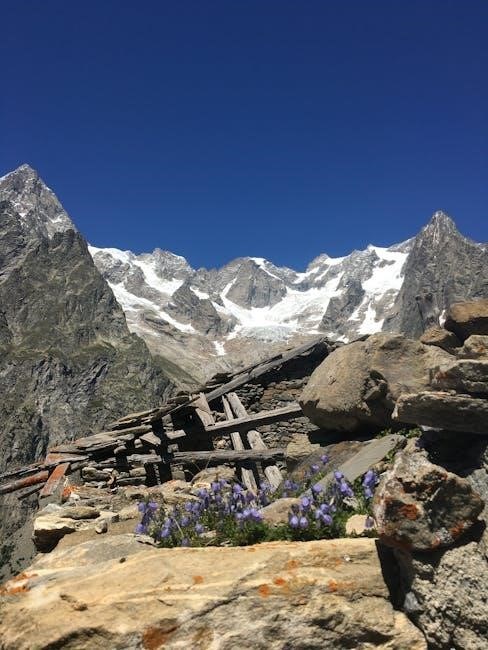
The Tour du Mont Blanc (TMB) is a legendary multi-day hiking trail circling the Mont Blanc massif, traversing through France, Italy, and Switzerland. This iconic route attracts adventurers globally, offering breathtaking alpine scenery, charming villages, and a challenging yet rewarding experience.

While traditionally tackled with guided groups, an increasing number of hikers opt for a self-guided TMB trek, embracing independence and flexibility. This approach allows you to explore at your own pace, tailoring the journey to your fitness level and preferences. However, successful self-guided trekking necessitates thorough preparation, including route planning, accommodation booking, and logistical considerations.

The TMB typically spans 100-170 kilometers (62-106 miles) with around 8,000-10,000 meters (26,000-33,000 feet) of ascent and descent. Popular durations range from 6 to 10 days, depending on your chosen route and daily mileage. The trail’s popularity means booking accommodations, especially refuges, well in advance is crucial, particularly during peak season.

What is a Self-Guided Trek?

A self-guided trek differs significantly from a traditional guided tour. Instead of relying on a group leader and pre-arranged logistics, you navigate the trail independently, utilizing pre-booked accommodations and detailed route information. This empowers you to control your itinerary, pace, and overall experience.

For the Tour du Mont Blanc, a self-guided approach typically involves purchasing route notes, maps, and potentially luggage transfer services from specialized tour operators like FlashpackerConnect or Monkeys and Mountains. These resources provide detailed stage descriptions, elevation profiles, and points of interest.

Crucially, self-guided doesn’t mean completely unsupported. Many operators offer assistance with accommodation booking, emergency support, and even luggage transport between stages, allowing you to hike with a lighter pack. However, the responsibility for navigation, decision-making, and daily logistics rests with you. It requires a higher degree of self-reliance and preparation than a fully guided experience, but offers unparalleled freedom and a sense of accomplishment.

Benefits of a Self-Guided Tour

Opting for a self-guided Tour du Mont Blanc unlocks a wealth of advantages for the independent adventurer. The primary benefit is freedom – you dictate your pace, linger at scenic viewpoints, and adjust your itinerary based on your preferences. Unlike guided tours, you aren’t bound by a group’s schedule or interests.

Cost savings are another significant perk. While a self-guided version can range from £826 to around £1400, it’s often more affordable than fully guided options. You also gain a deeper, more immersive experience, fostering a stronger connection with the landscape and local culture.

Furthermore, self-guided treks encourage self-reliance and problem-solving skills. Operators like Alpine Exploratory offer support, but ultimately, you’re responsible for navigating and making decisions. This builds confidence and provides a uniquely rewarding sense of accomplishment. However, be aware that solo trekkers may face availability limitations, as some operators don’t accept bookings for individuals.

Planning Your Self-Guided TMB Adventure

Successful self-guided TMB trekking hinges on detailed preparation. Budgeting, duration selection (6, 7, or 10 days), and timing are crucial, alongside fitness and gear considerations.

Determining Your Budget

Budgeting for a self-guided Tour du Mont Blanc trek is a critical first step. Costs can vary significantly based on your choices. A completely independent plan could cost around £826, utilizing The Hiking Club’s cost calculator based on customer itineraries. However, opting for a self-guided package from operators like FlashpackerConnect or Monkeys and Mountains typically ranges from £1400 upwards per person.

Consider these key expense categories. Accommodation, whether in refuges (around $50/night), gites, or hotels, will be a substantial portion. Food and drink costs depend on whether you self-cater or dine at refuges. Transportation, including getting to/from the trailhead and potential stage transfers, also needs factoring in. Some sources estimate a daily cost of $50-75 USD for a self-guided hike, potentially totaling around $1500 USD. Remember that solo trekkers may face availability limitations and potentially higher costs.

Careful planning and utilizing available resources will help you create a realistic budget for your TMB adventure.

Estimated Costs: Accommodation

Accommodation represents a significant portion of your Tour du Mont Blanc budget, with options ranging widely in price and comfort. Mountain refuges (also known as huts) are the most common choice, typically costing around $50 USD per night, which includes breakfast. These offer a basic, communal experience, requiring reservations well in advance, especially during peak season;

Gites, privately-owned mountain huts, provide a slightly more comfortable alternative, often at a similar price point. Hotels and guesthouses in valley towns offer greater privacy and amenities but come at a higher cost, potentially exceeding $100 USD per night.

Expect to spend between $500 and $700 USD for accommodation over a 10-day trek, depending on your preferences. Remember that prices can fluctuate based on location, season, and demand. Pre-booking is highly recommended to secure your preferred lodging and avoid disappointment, particularly for popular refuges along the route.

Estimated Costs: Food & Drink

Budgeting for food and drink on the Tour du Mont Blanc is crucial, as options can be limited and expensive at higher altitudes. While refuges typically offer dinner and sometimes lunch, these meals can add up quickly, costing around $25-$40 USD per meal. Purchasing groceries in valley towns before ascending is a cost-effective strategy.

Simple breakfasts can be prepared with supplies carried in your backpack, and packed lunches are essential for long hiking days. Expect to spend approximately $30-$50 USD per day on food and drinks, depending on your dining choices and consumption of beverages.

Water is generally available from mountain streams, but purification tablets or a filter are recommended. Factor in costs for snacks, energy bars, and occasional treats to keep your energy levels up. Remember that prices in refuges are inflated due to logistical challenges, so self-catering where possible will significantly reduce your expenses.

Estimated Costs: Transportation

Transportation costs for the Tour du Mont Blanc vary significantly depending on your starting and ending points, and chosen methods. Getting to and from the trailhead, typically Chamonix, Les Houches, or Courmayeur, requires consideration. Flights to Geneva are common, followed by bus or train transfers.

Budget approximately $100-$300 USD for transportation, encompassing airport transfers, bus fares between towns, and potentially cable car rides for route access. The Mont Blanc Express bus is a popular option, connecting key locations. Internal travel between stages may involve local buses or taxis, adding to the overall cost.

Consider the cost of returning to your departure airport. Pre-booking transportation, especially during peak season, is advisable. Some self-guided tour operators offer baggage transfer services between stages for an additional fee, simplifying logistics but increasing expenses. Factor in potential costs for parking if driving to the trailhead.

Choosing Your Trek Duration (6, 7, or 10 Days)

The Tour du Mont Blanc’s duration is flexible, commonly offered as 6, 7, or 10-day treks, each catering to different fitness levels and time constraints. A 10-day itinerary provides a more relaxed pace, allowing for acclimatization and exploration of side trails, like the scenic diversion to Lac Blanc. This extended duration is ideal for those wanting a comprehensive experience.

A 7-day trek is a popular compromise, demanding good fitness but offering a manageable challenge. It requires covering longer distances daily, potentially skipping some optional loops. The 6-day option is the most demanding, suited for experienced hikers in peak condition, prioritizing speed and efficiency.

Consider your experience and desired level of comfort when selecting a duration. Shorter treks may necessitate pre-booked accommodations due to limited availability. Longer treks offer greater flexibility but require careful planning of stages and rest days.

Best Time to Hike the Tour du Mont Blanc

The optimal period for hiking the Tour du Mont Blanc is typically from mid-June to mid-September, coinciding with warmer temperatures and reduced snow cover at higher altitudes. July and August represent peak season, offering the most reliable weather but also the highest crowds and accommodation prices.

June can be beautiful, with wildflowers in bloom, but some passes may still have lingering snow, requiring appropriate gear and experience. September provides quieter trails and pleasant temperatures, though some refuges may begin to close towards the end of the month.

Avoid hiking outside these months due to unpredictable weather, potential snowstorms, and limited refuge availability. Always check weather forecasts before and during your trek, as conditions can change rapidly in the mountains. Be prepared for all types of weather, even during peak season.

Essential Preparations

Prior fitness training is crucial for the TMB’s demanding terrain. A comprehensive gear checklist, including sturdy boots and layers, is vital.
Consider refuge, gite, or hotel accommodation options for your journey.

Fitness Training for the TMB

Preparing physically for the Tour du Mont Blanc is paramount, as the trek presents significant challenges. The trail involves substantial elevation gain and loss, demanding excellent cardiovascular fitness and leg strength. Begin training several months in advance, gradually increasing intensity and duration.

Focus on activities that mimic the demands of hiking, such as hill walking, stair climbing, and long-distance trekking with a weighted backpack. Incorporate strength training exercises targeting your legs, core, and back to build endurance and prevent injuries. Regular cardio workouts, like running or cycling, will improve your stamina.

Aim to comfortably hike for several consecutive days with a fully loaded pack before embarking on the TMB. Don’t underestimate the importance of breaking in your hiking boots to avoid blisters. Consider including interval training to enhance your ability to handle steep ascents. Remember to listen to your body and allow for adequate rest and recovery.

Gear Checklist: What to Pack

A well-considered packing list is crucial for a comfortable and safe Tour du Mont Blanc experience. Prioritize lightweight, durable gear. Essential items include a comfortable, broken-in pair of hiking boots, moisture-wicking socks, and layered clothing for varying weather conditions – think thermal base layers, fleece, and a waterproof jacket and trousers.

A backpack (40-50 liters) is necessary, along with a sleeping bag liner for refuge stays. Trekking poles significantly aid stability and reduce strain on your knees. Don’t forget a headlamp, sunscreen, sunglasses, and a hat. A first-aid kit with blister treatment is vital.

Navigation tools like maps and a compass (or GPS device) are essential, alongside a reusable water bottle or hydration reservoir. Pack high-energy snacks, a lightweight towel, and personal toiletries. Consider bringing a portable charger for electronic devices. Remember to pack only what you need to minimize weight.

Accommodation Options: Refuges vs. Gites vs. Hotels

Choosing your accommodation significantly impacts your Tour du Mont Blanc experience and budget. Mountain refuges are the most iconic option, offering dormitory-style sleeping arrangements and basic facilities, typically including breakfast and dinner. Booking well in advance is essential, especially during peak season.

Gites provide a more private and often cheaper alternative, usually offering simple rooms or dorms. They generally don’t include meals, requiring self-catering or dining at local restaurants. Hotels, found in valley towns, offer the most comfort but are the most expensive and necessitate daily ascents/descents to rejoin the trail.

Costs vary considerably: refuges around $50 USD per night, gites potentially less, and hotels significantly more. A self-guided hike can range from $50-75 USD per day, totaling around $1500 USD, factoring in refuge costs. Consider a mix of options to balance comfort and budget.

Navigating the Trail

Successful TMB navigation relies on detailed route planning and maps. Stage divisions are crucial, and be prepared for challenging sections like the Lac Blanc ascent, often involving ladders.

Route Planning & Maps

Detailed route planning is paramount for a successful self-guided Tour du Mont Blanc trek. The generally accepted TMB route offers a fantastic experience, but incorporating scenic diversions, such as the ascent to Lac Blanc for breathtaking views of Mont Blanc, enhances the journey. Utilizing high-quality topographic maps is essential; digital maps on smartphones or dedicated GPS devices are highly recommended, but always carry a physical map and compass as backup.

Several resources can aid in route planning. Tour operators like Alpine Exploratory provide routecards, though independent hikers will need to create their own itinerary. Consider the stage divisions carefully, factoring in elevation gain, distance, and accommodation availability. Pre-booking refuges and gites is strongly advised, especially during peak season. Familiarize yourself with the trail markings – typically red and white blazes – and practice map reading skills before your trek. Remember that conditions can change rapidly in the mountains, so be prepared to adjust your plans if necessary.

Understanding Stage Divisions

The Tour du Mont Blanc is typically completed over 6, 7, or 10 days, influencing daily stage lengths and difficulty. A 10-day itinerary allows for more leisurely hiking and greater flexibility, while a 6-day trek demands significant fitness and longer daily distances. Common stage divisions involve traversing between villages like Les Houches, Courmayeur, Champex-Lac, and Argentière, with each stage presenting unique challenges.

Average daily distances range from 10 to 18 kilometers (6 to 11 miles), with elevation gains often exceeding 800 meters (2600 feet). Carefully assess your fitness level and experience when choosing stage divisions. Some stages, like the ascent to Lac Blanc, involve steep climbs and require good stamina. Pre-booking accommodation at refuges or gites along the route is crucial, as availability can be limited, particularly during peak season. Consider incorporating rest days into your itinerary to allow for recovery and exploration of the charming alpine villages.

Dealing with Challenging Sections (e.g., Lac Blanc Ascent)

Certain sections of the Tour du Mont Blanc present significant challenges, demanding preparation and caution. The ascent to Lac Blanc, famed for its stunning views of Mont Blanc, is particularly strenuous, involving steep, rocky terrain and even ladders in some areas. Proper footwear is essential, alongside trekking poles for stability and reduced strain on your knees.

Pace yourself during challenging ascents, taking frequent breaks to hydrate and refuel. Be aware of weather conditions, as visibility can rapidly deteriorate at higher altitudes. If you’re uncomfortable with heights or exposed sections, consider alternative routes or utilizing a guided option for these stages. Alpine Exploratory notes the presence of ladders on this ascent.
Ensure you have appropriate layers of clothing to adapt to changing temperatures. Prioritize safety and don’t hesitate to turn back if conditions become unsafe.

Resources & Support

Numerous resources aid self-guided TMB trekkers. Companies like FlashpackerConnect, Monkeys and Mountains, and Alpine Exploratory offer support.
The Hiking Club’s cost calculator assists planning, while solo trekkers should note availability limitations.

Recommended Tour Operators (FlashpackerConnect, Monkeys and Mountains, Alpine Exploratory)

Several tour operators specialize in self-guided Tour du Mont Blanc treks, offering varying levels of support and customization. FlashpackerConnect stands out with its strong local operation, providing both self-guided and guided options, and the ability to fully customize your trek to suit your preferences. They are a highly recommended choice for a personalized experience.

Monkeys and Mountains Hiking Tours also provides self-guided Tour du Mont Blanc packages, available in 6, 7, or 10-day formats, catering to different fitness levels and time constraints. Their expertise ensures a well-planned and enjoyable journey.

Alpine Exploratory offers comprehensive self-guided options, but currently does not accept bookings for solo walkers on these trips. However, they do have availability on their guided tours, which might be a suitable alternative for those trekking alone. They highlight scenic diversions, such as the ascent to Lac Blanc, in their routecards, enhancing the overall experience.

Choosing the right operator depends on your individual needs and preferences, but these three companies consistently receive positive reviews for their organization, support, and route knowledge.

Utilizing Online Cost Calculators (The Hiking Club)

Accurately budgeting for a self-guided Tour du Mont Blanc trek can be challenging, but resources like The Hiking Club offer valuable assistance. Their online cost calculator is a powerful tool, leveraging data from over 300 actual customer itineraries and 2023 costs from nearly 100 accommodation providers.

This calculator provides a realistic estimate of expenses, helping you understand the potential financial commitment involved. It considers factors like accommodation choices (refuges, gites, hotels), food and drink costs, and transportation needs, allowing for a tailored budget projection.

According to The Hiking Club’s calculations, planning a 10-day hike independently can cost around £826. However, this figure is an estimate and can vary significantly based on your spending habits and preferences. Utilizing the calculator allows you to adjust these variables and refine your budget accordingly.

By inputting your specific requirements, you can gain a clearer understanding of the financial implications of a self-guided TMB trek, ensuring a well-planned and affordable adventure.

Solo Trekking Considerations (Availability limitations)

Embarking on a self-guided Tour du Mont Blanc as a solo trekker presents unique challenges, particularly regarding accommodation availability. Several tour operators, such as Alpine Exploratory, explicitly state they do not accept bookings for solo walkers on self-guided trips;

This limitation stems from the high demand for refuge and gite beds, often prioritized for groups or those booking through organized tours. Solo travelers may find it difficult to secure accommodation, especially during peak season, due to limited spaces and pre-booked reservations.

If you are determined to trek solo, extensive advance planning and flexibility are crucial. You may need to be prepared to adjust your itinerary or consider alternative accommodation options, such as camping (where permitted) or staying in hotels in valley towns.

Alpine Exploratory, while not accepting solo self-guided bookings, does offer guided trips which are available to solo travelers. This provides a viable alternative for those seeking a solo experience with logistical support and guaranteed accommodation.